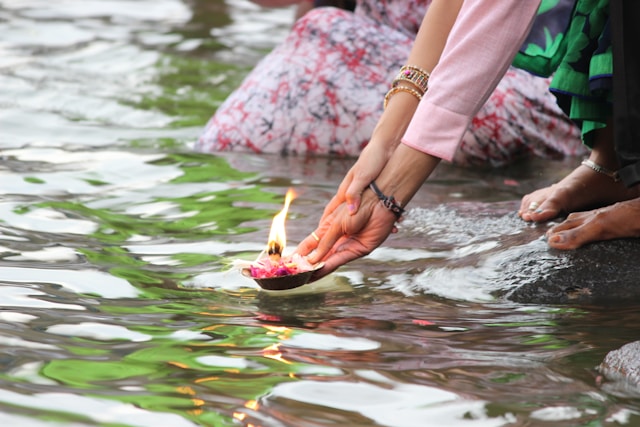
Pitru Paksha – The Sacred Fortnight of Ancestral Worship
Introduction
Among all the Vedic observances, Pitru Paksha holds a deeply revered space in Hindu tradition. This sacred 16-day period, observed annually, is dedicated entirely to the remembrance, worship, and offerings to our ancestors (Pitrs).
Pitru Paksha is not just a ritual—it's a spiritual responsibility and an act of profound gratitude. Performing the correct rites during this period is believed to liberate ancestral souls and bring peace, prosperity, and protection to current and future generations.
What is Pitru Paksha?
Pitru Paksha, also known as Shraddh Paksha, usually falls in the lunar month of Bhadrapada (September–October). It starts on the Purnima (Full Moon) and ends on Mahalaya Amavasya—the no-moon day that marks the final day of offering.
According to Hindu beliefs, during this time, the souls of ancestors descend to Earth, seeking offerings from their descendants. If properly honored with Shraddh and Tarpan, they bless the family with happiness and growth. If neglected, it may lead to Pitru Dosha and karmic obstacles.
Significance of Pitru Paksha
🧘♂️ Spiritual Upliftment of Ancestors
Rituals like Pind Daan and Tarpan help free souls trapped in lower realms or stuck in the cycle of rebirth.
🪔 Dharma and Gratitude
Performing Shraddh shows gratitude for the life, wisdom, and blessings we inherit from our lineage.
✨ Removal of Pitru Dosha
Ancestral imbalances that affect marriage, health, and finances can be resolved during this time.
👨👩👧 Family Wellbeing
Blessings received through these rituals protect the entire household and future generations.
Key Rituals Performed During Pitru Paksha
1. Tarpan
Offering water with sesame seeds to appease the souls of the deceased.
2. Pind Daan
Offering rice balls and prayers to nourish and satisfy the departed souls.
3. Shraddh Karma
Performed on the Tithi (lunar date) of the ancestor’s death. Includes fire offerings, feeding Brahmins, and giving daan (charity).
4. Feeding the Poor and Cows
Considered highly meritorious to offer food to the needy, animals, and birds during Pitru Paksha.
Who Should Perform the Rituals?
Ideally, the eldest son or male heir
In modern practice, daughters, wives, or close relatives may also perform rituals
Priests may conduct the rituals on your behalf if you are unable to do them directly
Rules and Do's & Don'ts During Pitru Paksha
✅ Do's:
Perform the rituals with sincerity and mental clarity
Observe spiritual discipline (sattvic diet, early rising, prayer)
Offer Shraddh on the correct Tithi
Maintain a humble, respectful attitude toward ancestors
❌ Don’ts:
Avoid celebrating weddings or new ventures during Pitru Paksha
Refrain from eating non-vegetarian food or intoxicants
Avoid haircuts, nail clipping, or unnecessary travel
Performing Pitru Paksha Rituals Online
For those unable to travel or perform rituals personally:
Online pooja services offer Shraddh, Pind Daan, and Tarpan in sacred places like Gaya, Haridwar, and Varanasi
Vedic priests conduct the rituals following scriptural guidelines
Many services include live streaming or ritual videos
This modern approach ensures you fulfill your duties without compromising on tradition or authenticity.
Conclusion
Pitru Paksha is not just a time-bound religious event—it is a deeply spiritual season of repayment, remembrance, and reverence. Honoring your ancestors not only grants them peace, but also clears the karmic path for you and your family.
Make time to observe Pitru Paksha with devotion, whether in person or through trusted rituals performed on your behalf. Let your love and gratitude uplift generations, past and future.